The Evolution of AI in Internal Tools
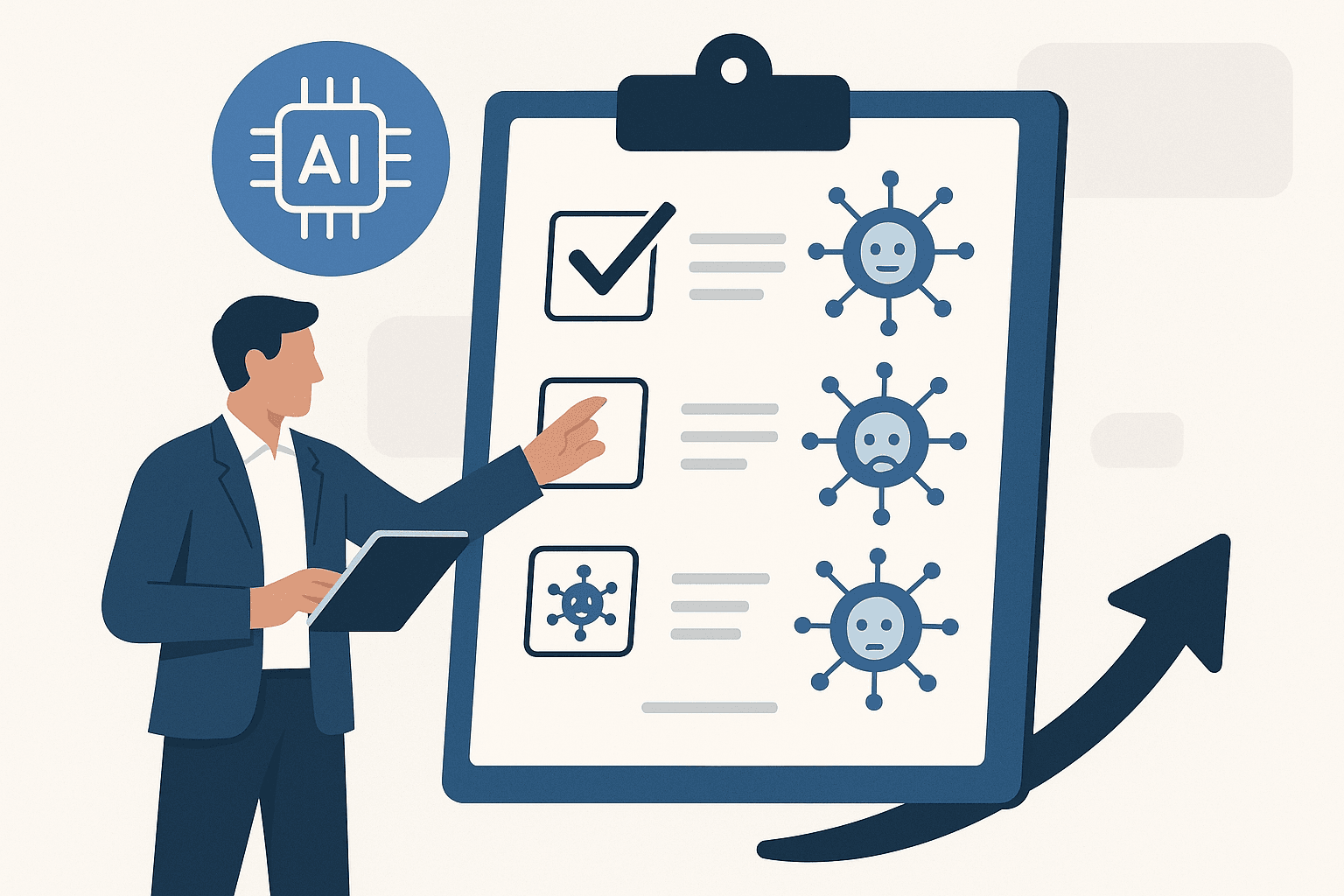
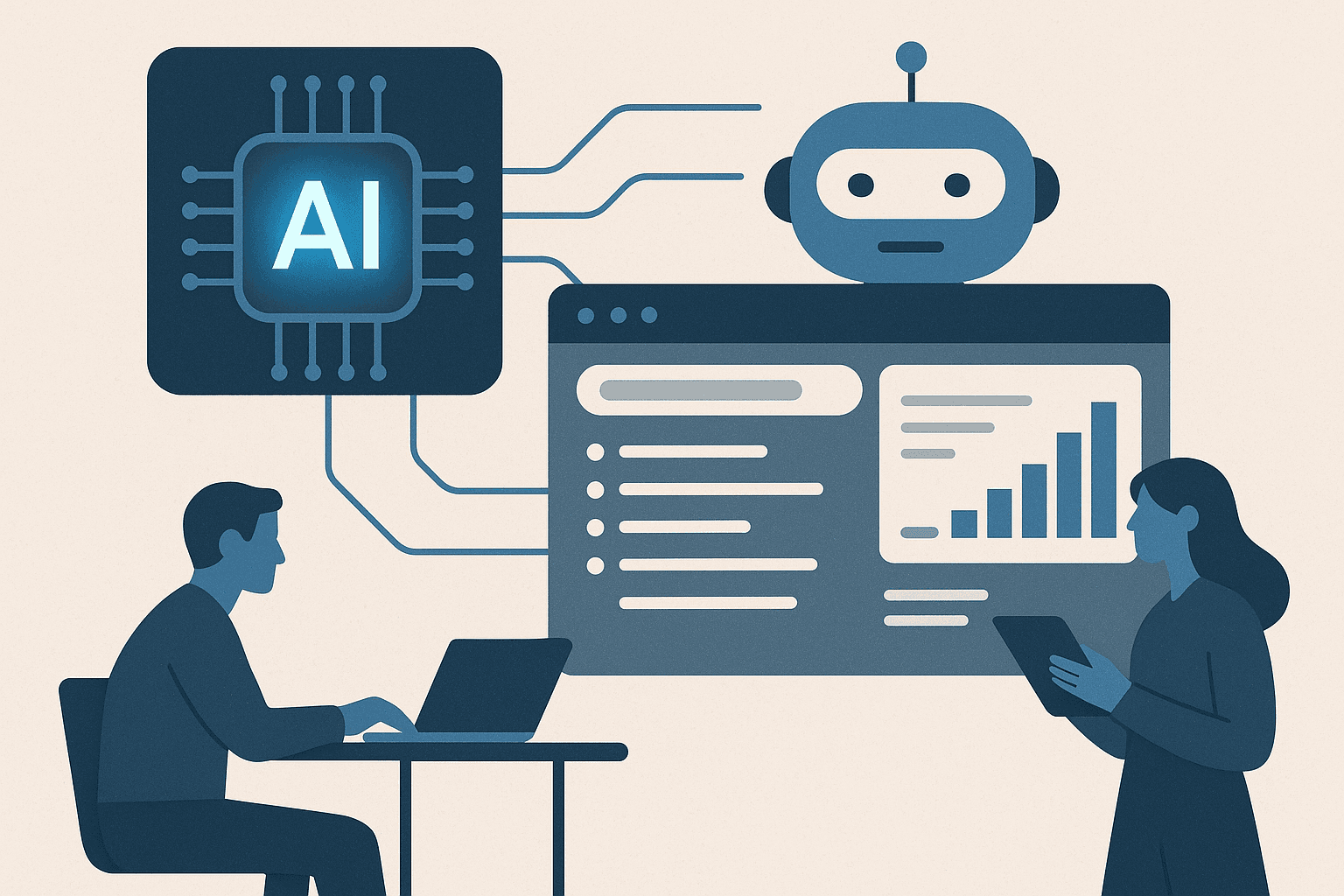
AI has gone from sci-fi fantasy to an indispensable ally for businesses. While chatbots are the poster children of AI, their capabilities are just the tip of the iceberg. AI-driven internal tools are transforming how businesses operate, not just by automating tasks but by enhancing human potential and freeing up resources for strategic pursuits. These tools are like having a savvy analyst at your disposal 24/7.
Take AI-driven data analysis tools, for example. They can devour and digest mountains of data with speed and precision that would leave human analysts in the dust. Imagine a hospital using AI to sift through patient records, spotting trends and anomalies that could save lives. That's the kind of power we're talking about.
However, diving into AI isn't without its hurdles. Many companies underestimate the ongoing commitment required. AI isn't a set-it-and-forget-it solution; it requires constant feeding with fresh data and regular tuning to stay sharp. Businesses need to be ready for this long-term relationship if they want to harness AI's full potential.
The rise of AI in internal tools marks a seismic shift in business operations. By venturing beyond chatbots, companies can tap into efficiencies and opportunities they never thought possible.
AI in Data Management and Analysis
Data management is where AI really flexes its muscles. Modern businesses are drowning in data, and traditional methods can't keep up. AI tools can automate the grunt work of data collection, cleaning, and analysis, turning what was once a tedious slog into a streamlined process.
Picture a retail giant like Walmart needing to adjust inventory based on customer buying habits. An AI tool can pull sales data from every cash register, cleanse it, and spit out actionable insights. What used to take an army of analysts weeks is now a matter of hours.
But there's a trap here: assuming AI can completely replace human judgment. It can't. AI excels at handling data, but humans are needed to interpret the nuanced insights and make strategic decisions. AI should be seen as a powerful assistant, not a replacement.
The message for businesses is clear: AI can revolutionize data management and analysis, but it must be integrated thoughtfully. Understand its strengths and limitations to truly capitalize on its potential.
Enhancing Productivity with AI Scheduling Tools
Scheduling is another domain ripe for AI intervention. Traditional methods are error-prone and time-consuming. AI scheduling tools can automate the process, ensuring resources are used wisely and conflicts are avoided.
Imagine a construction firm using AI to coordinate workers, equipment, and deadlines. The AI tool considers every factor, from weather forecasts to worker availability, crafting a schedule that keeps projects on track and within budget. In industries where timing is everything, AI scheduling is a secret weapon.
Yet, relying solely on AI for scheduling can backfire. AI doesn't understand unexpected events or personal nuances. Balancing AI-generated schedules with human oversight ensures flexibility and adaptability.
In practice, AI scheduling tools can slash administrative tasks, letting employees focus on strategic work. By integrating AI into scheduling, businesses can boost efficiency and employee satisfaction.
AI-Driven Process Automation
Process automation is where AI really shines, delivering massive benefits by taking over mundane tasks. This isn't just about cutting costs and increasing accuracy; it's about liberating human potential. AI-driven automation can handle anything from invoice processing to customer onboarding, creating a seamless workflow.
Consider a bank processing thousands of invoices monthly. An AI tool can handle everything from data extraction to payment, speeding up the process and reducing costly errors. It's like having an army of accountants working round the clock.
The challenge lies in training and maintaining these AI systems. They need high-quality data and regular updates to stay effective. Without these, you risk outdated results and inability to adapt to new business needs.
For companies dipping their toes into AI-driven automation, starting small is key. Pilot AI tools in specific areas, measure their impact, and then scale up. This cautious approach builds confidence and expertise.
AI in Human Resources: Recruitment and Employee Engagement
AI is revolutionizing HR, especially in recruitment and engagement. AI tools automate candidate screening, slashing the time and effort to find the right fit. By analyzing resumes and job requirements, AI quickly identifies top candidates.
Picture an AI tool sifting through thousands of applications for a tech firm, picking out candidates who not only fit the bill but also bring diverse perspectives. This speeds up hiring and minimizes biases, helping build more inclusive teams.
For employee engagement, AI can analyze feedback and sentiment, highlighting areas for improvement. Understanding employee needs allows proactive steps to boost satisfaction and retention.
A pitfall here is over-reliance on AI for decisions. While AI offers valuable insights, human judgment is crucial for interpretation and action. AI should support HR professionals, not replace them.
AI in Financial Forecasting and Budgeting
Financial forecasting and budgeting are critical areas transformed by AI. AI tools can analyze historical data and market trends to produce accurate forecasts and budgets, enabling smarter financial decisions.
Imagine an AI tool analyzing a company's sales data, seasonal trends, and external factors to predict future revenue. This insight helps create a realistic budget aligned with business goals, avoiding financial missteps.
The complexity of AI models poses a challenge. They require vast data and sophisticated algorithms. Companies must invest in the right tech and talent to ensure effectiveness.
For businesses aiming to sharpen their financial forecasting and budgeting, AI offers a powerful edge. By leveraging AI, they can make more strategic financial decisions.
Integrating AI into Existing Business Systems
Integrating AI into existing business systems is a challenging but rewarding endeavor. Success hinges on careful planning to ensure AI tools complement current workflows. This often involves customizing AI solutions and training employees to use them effectively.
A smart approach is to start with a pilot project. Implement AI in a specific department, like customer service, to test its impact before expanding. This controlled rollout builds confidence and allows for adjustments.
A common misstep is overlooking the human impact. AI can alter work processes, requiring employee training and support. Prioritizing change management ensures a smooth transition.
Successful AI integration requires strategic alignment with business goals and involvement from all stakeholders. With careful execution, companies can enhance operations and secure a competitive edge.
If you're exploring this further, our related services page has more detail.
Frequently Asked Questions
What are the benefits of AI-powered internal tools?
AI-powered internal tools boost productivity, streamline operations, and provide valuable insights. They automate routine tasks, freeing employees to focus on strategic activities.
Can AI replace human decision-making in business operations?
AI supports decision-making with data-driven insights, but human judgment is crucial for interpreting results and making strategic decisions.
How can businesses ensure successful AI integration?
Successful AI integration requires careful planning, customization, and employee training. Starting with a pilot project helps test AI tools before scaling.
What challenges do companies face with AI in internal tools?
Challenges include AI system complexity, the need for high-quality data, and ensuring AI complements existing workflows. Change management is crucial for integration.